Listen to this article
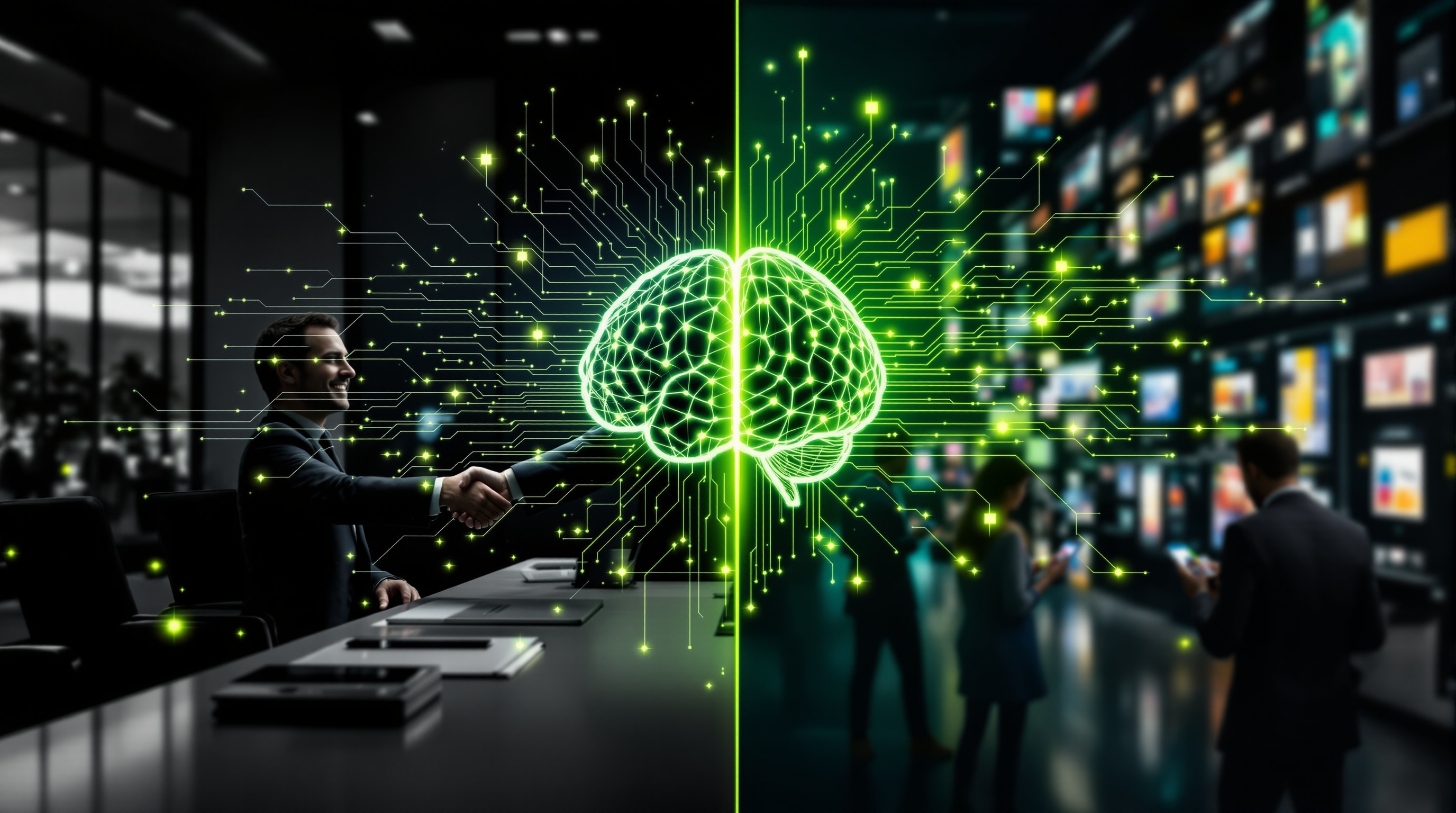
Artificial intelligence has fundamentally transformed how businesses approach marketing. In 2026, AI marketing is no longer a competitive advantage—it is a business necessity. Companies that leverage AI-powered marketing tools are seeing significant improvements in customer engagement, conversion rates, and overall return on investment.
What is AI Marketing?
AI marketing refers to the use of artificial intelligence technologies to automate data collection, analyze customer behavior, and deliver personalized marketing experiences at scale. Unlike traditional marketing approaches that rely heavily on manual analysis and intuition, AI marketing uses machine learning algorithms, natural language processing, and predictive analytics to make data-driven decisions in real time.
At its core, AI marketing enables businesses to understand their customers better, predict future behaviors, and deliver the right message to the right person at the right time. This level of precision was impossible just a few years ago, but advances in AI technology have made it accessible to businesses of all sizes.

Key Components of AI Marketing
Understanding the building blocks of AI marketing helps businesses identify where to start their AI adoption journey. Here are the essential components:
- Predictive Analytics: AI analyzes historical data to forecast future customer behaviors, helping businesses anticipate needs and optimize campaigns before launch.
- Customer Segmentation: Machine learning algorithms automatically group customers based on behavior patterns, preferences, and demographics, enabling hyper-targeted campaigns.
- Content Personalization: AI dynamically adjusts website content, emails, and ads based on individual user profiles, increasing relevance and engagement.
- Chatbots and Conversational AI: Intelligent virtual assistants provide instant customer support and guide users through the buying journey 24/7.
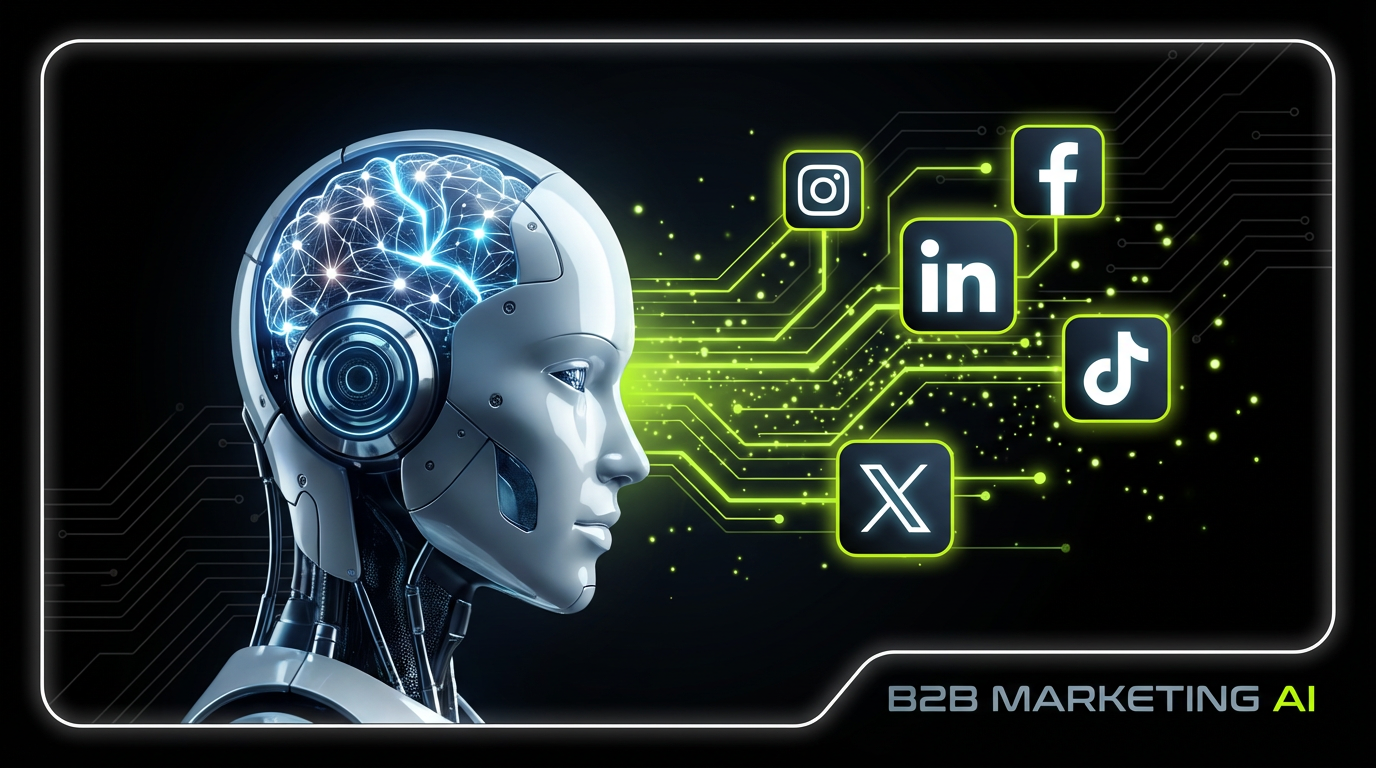
- Marketing Automation: AI-powered platforms automate repetitive tasks like email scheduling, social media posting, and ad bidding, freeing up time for strategic work.
Why Businesses Need AI Marketing in 2026
The marketing landscape has evolved dramatically. Consumer expectations have risen, competition has intensified, and the volume of data available has exploded. Here is why AI marketing is essential for business success in 2026:
1. Meeting Rising Customer Expectations
Modern consumers expect personalized experiences. According to recent studies, 80% of customers are more likely to purchase from brands that offer personalized experiences. AI enables businesses to deliver customization at scale, analyzing thousands of data points to create individualized customer journeys that feel human and authentic.
2. Maximizing Marketing ROI
Marketing budgets are under constant scrutiny. AI marketing helps businesses allocate resources more effectively by identifying high-performing channels, optimizing ad spend in real time, and predicting which campaigns will deliver the best results. Companies using AI in their marketing report an average of 30% improvement in conversion rates and significant reductions in customer acquisition costs.
3. Gaining Competitive Advantage
Businesses that adopt AI marketing early gain a significant edge over competitors still relying on traditional methods. AI enables faster decision-making, more accurate targeting, and the ability to scale marketing efforts without proportionally increasing costs. In crowded markets, this efficiency translates directly to market share growth.
4. Handling Data Complexity
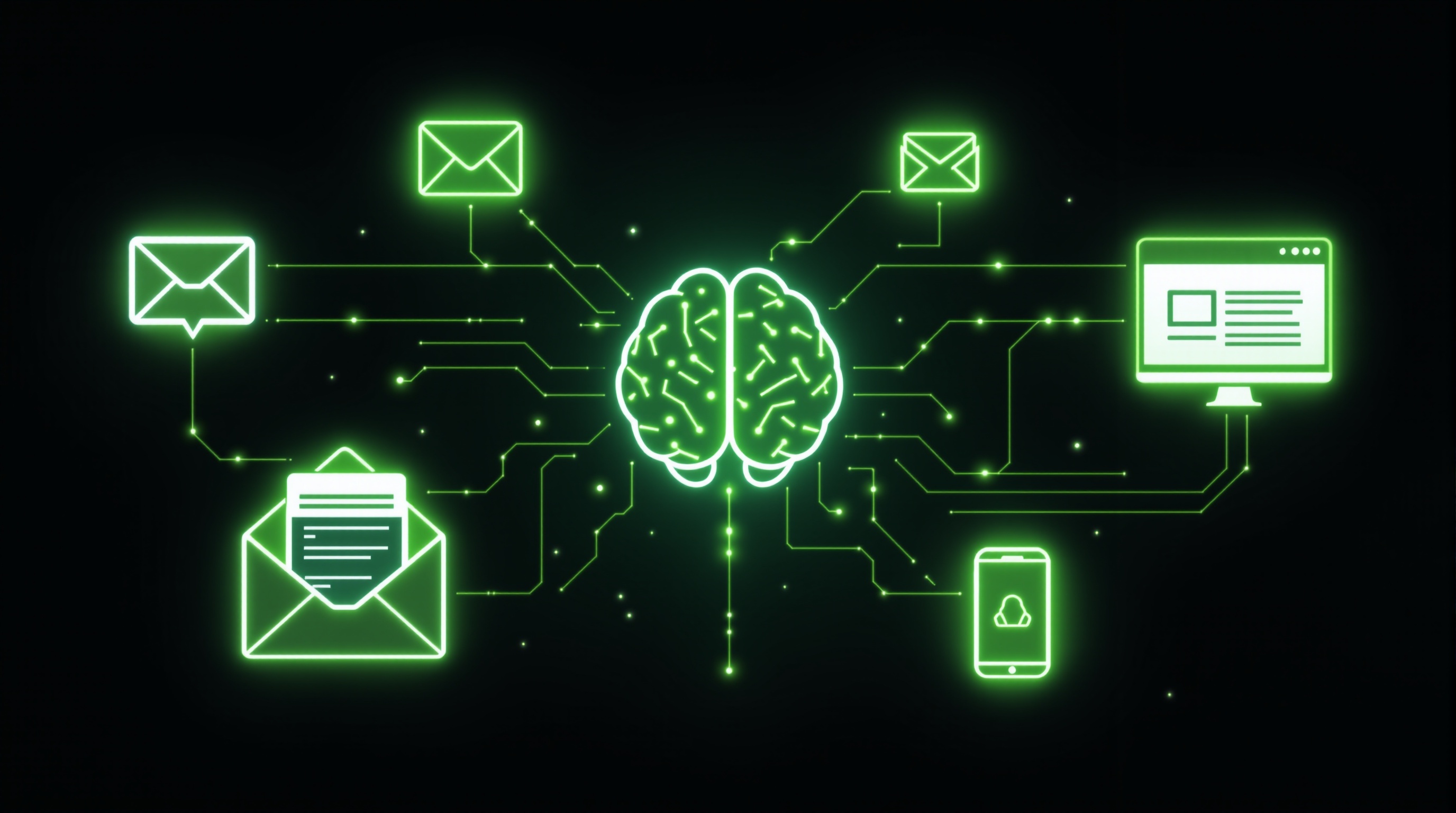
The average business today collects data from dozens of sources—website analytics, social media, CRM systems, email platforms, and more. Humans simply cannot process this volume of information effectively. AI excels at synthesizing large datasets, identifying patterns, and extracting actionable insights that would otherwise remain hidden.
5. Enabling Real-Time Optimization
Traditional marketing campaigns require weeks or months to gather enough data for optimization. AI marketing platforms analyze performance continuously and make adjustments automatically. This means campaigns improve themselves in real time, maximizing results throughout their duration rather than learning lessons for next time.
Getting Started with AI Marketing
Implementing AI marketing does not require a complete overhaul of existing systems. Businesses can start by identifying specific pain points where AI can add immediate value. Common starting points include:
- Email Marketing Optimization: Use AI to personalize subject lines, send times, and content recommendations.
- Customer Support: Deploy AI chatbots to handle common inquiries and qualify leads.
- Ad Campaign Management: Leverage AI-powered bidding and audience targeting on advertising platforms.
- Marketing Plan Generation: Use AI tools to create comprehensive, data-driven marketing strategies tailored to your business.
Frequently Asked Questions
Is AI marketing only for large enterprises?
No. AI marketing tools have become increasingly accessible and affordable for small and medium-sized businesses. Many platforms offer scalable pricing models that grow with your business, making AI marketing viable for companies of all sizes.
Will AI replace human marketers?
AI augments human capabilities rather than replacing them. While AI handles data analysis and automation, human creativity, strategic thinking, and emotional intelligence remain essential for effective marketing. The most successful marketing teams combine AI efficiency with human insight.
How quickly can businesses see results from AI marketing?
Many businesses see measurable improvements within weeks of implementing AI marketing tools. However, results compound over time as AI systems learn from more data and optimize continuously. Most companies report significant ROI within the first three to six months.
The Bottom Line
AI marketing represents a fundamental shift in how businesses connect with customers. In 2026, the question is no longer whether to adopt AI marketing but how quickly you can implement it. Businesses that embrace AI-powered marketing strategies will be better positioned to understand their customers, optimize their spending, and outperform competitors who rely on outdated approaches.
The good news is that getting started is easier than ever. Whether you are a small business owner looking to compete with larger rivals or an established company seeking to modernize your marketing operations, AI-powered tools can help you achieve your goals more efficiently and effectively.